
Have you been looking for a centre for education and training that will prepare you for the challenges that are going to come up tomorrow? Then this post is what you must check out! The maritime education and training program integrates both sustainability and green shipping directly into its curriculum. While on the one hand, you learn to meet international standards for emission control, on the other you gain practical tools for ocean protection and bring real change in shipping. At the end of the day, you build a career that balances trade with planet friendly practices.
How Do IMO Decarbonization Goals Shape Your Learning Path?
While you study the International Maritime Organization’s strategy to cut greenhouse gas emissions by at least 20 percent by 2030 and reach net zero by 2050; instructors break down this target to clear steps for daily operations and ship design. From this one analyses real shipping routes and calculates fuel savings for emergency measures. One also reviews the Energy Efficiency Existing Ship Index, in order to confirm compliance. This knowledge lets you propose smart solutions during team projects and builds your confidence fast.
How is Ballast Water Management important?
You examine the Ballast Water Management Convention that stops invasive species from damaging local marine life. The classes show you exactly how treatment systems filter or neutralise water before release. You discuss port inspection rules and the costs of non-compliance on international voyages. Added to that you also practice voyage planning that keeps vessels legal and ecosystems safe.
How are these topics related to broader logistics training?
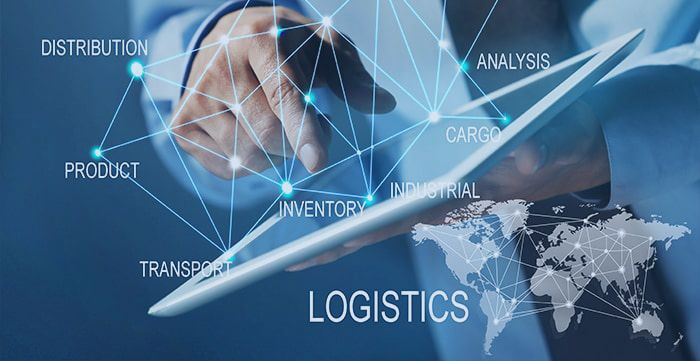
The moment you look closely, you notice the relation between green shipping lessons and logistics courses in India. These programs stress on clean supply chains that cut delays and emissions at ports and warehouses. You combine vessel knowledge with logistics strategies to improve full transport networks from origin to destination. Additionally, you also study how low emission ships can speed up delivery in the busiest of regions.
Why are green careers so crucial?
The reason behind this is quite simple. Those people who are a part of this study domain, benefit from the modern lab simulation and bring current industry experience to every class at the centre for maritime education and training. As a matter of fact, green technologies are tested in virtual ship environments that almost feel like real voyages. You join research projects that almost solve today’s sustainability issues, head - on. You also earn certifications that are demanded by recruiters and these resources help you move straight into roles that put environmental responsibility first.
Why Should Professionals Explore This Curriculum Further?
You can see for yourself how the strong focus on sustainability opens doors to multiple careers in green shipping. Taking that into consideration, those who complete logistics courses in India through these programs advance faster because they understand both operations and environmental rules. They gain clear differences between short term and long term shifts to renewable fuels and even apply these hands on ideas to mirror the regular job tasks at hand. Your expertise becomes valid and you position yourself as a leader who makes sustainable shipping the new standard.